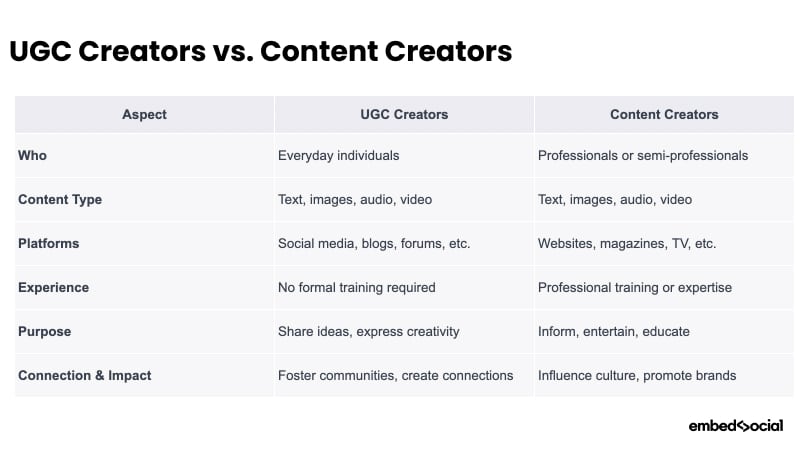
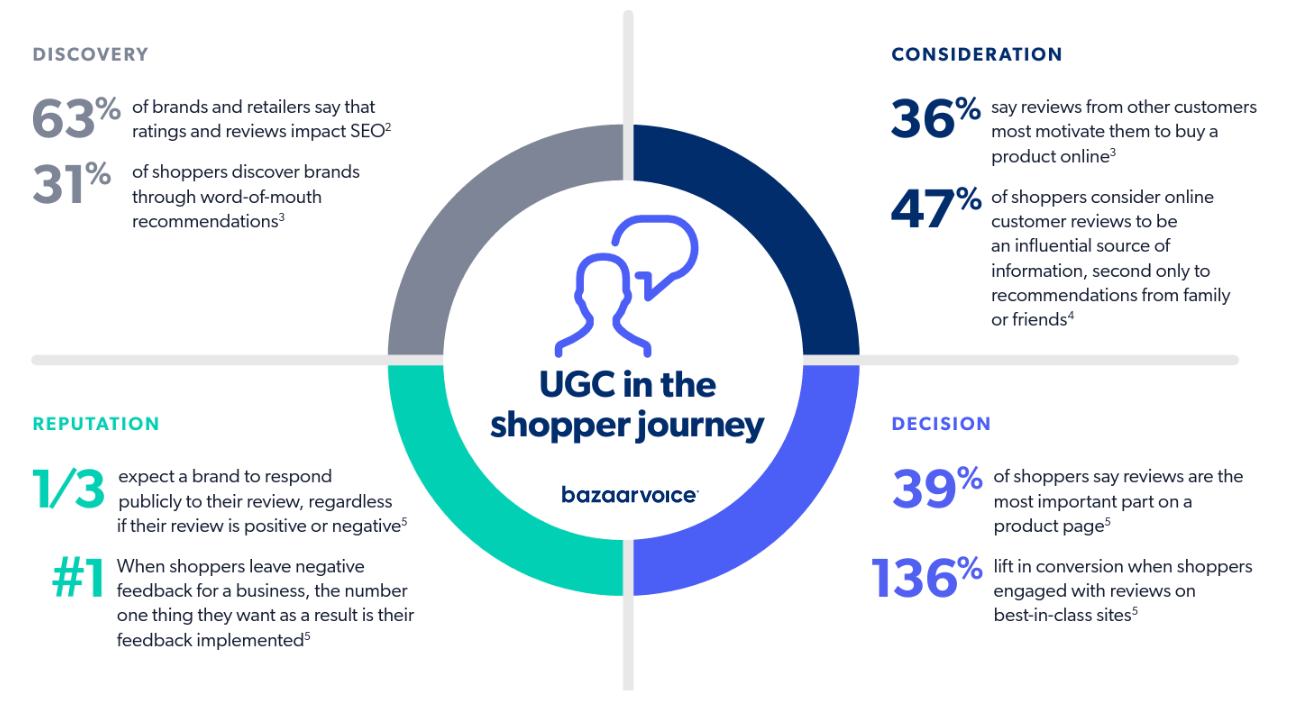
Introduction — Why Most Brands Fail at UGC Scaling
Every D2C founder wants to scale.
But most brands fail because they make one major mistake:
They rely on only ONE type of UGC.
Some brands use only testimonials.
Some use only product demos.
Some use only problem-solution videos.
Some use only aesthetics and lifestyle.
But scaling requires UGC diversity, not UGC repetition.
Just like a performance marketer uses multiple audiences,
a profitable brand uses multiple types of creators and multiple content angles.
This is where The Creator Triangle comes in.
It is an advanced framework that reveals the three essential types of UGC a brand must use to scale profitably — without increasing ad spend, production cost, or CAC.
If a brand uses only one or two sides of the triangle, they get:
- High ad fatigue
- Poor ROAS
- Low trust
- Weak storytelling
- Slow scaling
- Expensive CPM
- Short creative life
But a brand using all THREE layers grows predictably and profitably.
Let’s break down the system.
What Is the Creator Triangle?
The Creator Triangle is a three-part UGC system consisting of:
1. The Demonstrator (Logic UGC)
Clear, rational, benefit-driven.
2. The Relator (Emotion UGC)
Relatable stories and human connection.
3. The Validator (Trust UGC)
Testimonials, proofs, and social proof.
These three creator types form a complete psychological funnel.
If your brand uses all three types consistently, you get:
✔ More trust
✔ More conversions
✔ More retention
✔ Higher ROAS
✔ Lower CAC
✔ Longer ad lifespan
✔ Faster creative testing
✔ Scaling without fatigue
Let’s break down each point of the triangle.
1. The Demonstrator — UGC That Explains the Product (Logic)
The demonstrator is the logic brain of UGC.
This creator:
- Demos the product
- Shows how it works
- Explains usage
- Shows texture
- Highlights features
- Shows real-time results
- Answers functional questions
Why this type matters
The human brain makes decisions in two layers:
- Emotion (What I feel)
- Logic (Does it make sense?)
If logic is missing, the buyer hesitates.
Demonstrator UGC removes hesitation by answering:
- How do I use it?
- Will it work for me?
- What problem does it solve?
- What is the benefit?
- What makes it unique?
Examples of Demonstrator Content
- “Here’s how I use this serum every morning”
- “Watch how this bottle works in real life”
- “I tried this gadget — here are the real results”
- “This hack saves me time every day”
- “Let me show you how this fits into my routine”
Why Demonstrators Reduce Ad Cost
Demonstrator videos:
✔ Improve clarity
✔ Improve comprehension
✔ Improve decision-making
✔ Improve CTR
✔ Improve add-to-carts
Because when people understand, they buy.
Demonstrators satisfy the logic part of the brain —
but that is only one part of the triangle.
You need more.
2. The Relator — UGC That Connects Emotionally (Feeling)
The Relator is the heart of the Creator Triangle.
This creator focuses on:
- Personal stories
- Real-life problems
- Emotional hooks
- Lifestyle relatability
- Day-in-the-life sequences
- Struggles → solutions
- Vulnerable storytelling
Why this type matters
Emotion drives attention.
Attention drives engagement.
Engagement drives conversion.
People buy because they FEEL something.
The Relator taps into:
- Pain
- Desire
- Insecurity
- Relief
- Identity
- Social belonging
- Personal experience
This content makes the viewer say:
“OMG, that’s me.”
“I have the same problem.”
“I feel exactly like this.”
Examples of Relator Content
- “I used to struggle with oily skin until…”
- “Here’s the most embarrassing thing that happened…”
- “If you also deal with hairfall, watch this…”
- “Let me tell you what changed my daily routine…”
- “I didn’t expect to feel so confident after using this”
Relators make people FEEL the transformation.
And people buy feelings — not features.
Why Relators Amplify ROAS
Relator content:
✔ Builds deep emotional resonance
✔ Stops scroll instantly
✔ Creates parasocial trust
✔ Reduces resistance
✔ Increases watch time
✔ Strengthens branding
This is why Relators are the conversion engine of UGC.
3. The Validator — UGC That Proves Everything (Trust)
The Validator is the trust builder of UGC.
This type focuses on:
- Testimonials
- Reviews
- Before/after proof
- Reaction videos
- Comparison videos
- “I tried this for 30 days” journeys
- Social proof
Why validators matter
Even if the consumer likes your product…
and understands it…
and feels emotionally connected…
They STILL doubt:
- “Will it work for me?”
- “Is this legit?”
- “Are there real results?”
- “Is this trustworthy?”
Validator UGC reduces doubt by supplying undeniable proof.
Examples of Validator Content
- “Here’s my before and after after 14 days”
- “This actually worked better than I expected”
- “I compared this with my old product”
- “My honest review — no filter”
- “My results shocked even me”
This proof makes the consumer feel safe.
Why Validators Reduce CAC
Validators:
✔ Build trust
✔ Eliminate doubt
✔ Reduce objections
✔ Strengthen credibility
✔ Increase purchase intent
Trust = conversion.
Conversion = lower CAC.
Lower CAC = profitable scaling.
How the Creator Triangle Works Together (The Full Psychology)
The Creator Triangle taps into the three major decision layers of the human brain:
1. Logic → Demonstrator
“How does this work?”
2. Emotion → Relator
“Does this connect to my life?”
3. Trust → Validator
“Can I believe this?”
If any one layer is missing, the consumer hesitates.
And hesitation kills conversions.
But when all three are present in your brand’s UGC ecosystem, the consumer gets:
✔ Clarity
✔ Emotional inspiration
✔ Proof
This is why:
The Creator Triangle = Complete Funnel Psychology
It maps perfectly:
TOFU (Top of Funnel)
Relators → emotional hooks + relatable problems
MOFU (Middle of Funnel)
Demonstrators → product clarity + benefits
BOFU (Bottom of Funnel)
Validators → proof + testimonials + trust
This is the perfect scaling system.
Why Most Brands Fail (They Only Use 1 Creator Type)
Brands often make the mistake of using ONLY:
❌ Testimonials → but no emotion or demonstration
❌ Product demos → but no story or trust
❌ Aesthetic reels → but no proof
❌ Lifestyle shots → but no logic
❌ Problem-solution videos → but no validation
Scaling stops because content lacks balance.
You need all THREE types consistently.
Why the Creator Triangle Reduces Ad Fatigue
Every side of the triangle has different:
- Tone
- Emotion
- Story
- Delivery
- Angles
- Visuals
This gives you endless creative variations, ensuring:
✔ The algorithm does not get bored
✔ Users do not get fatigued
✔ Ads stay fresh for weeks
✔ You can test more angles
✔ You can scale faster
✔ You reduce creative costs
Triangular content = infinite diversity.
How Brands Can Build Their Creator Triangle (Action Plan)
1. Hire at least 3–7 creators per month
Each creator fits into a triangle role.
2. Shoot:
- 3 demonstrator videos
- 3 relator videos
- 3 validator videos
Per creator.
3. Create a UGC library of:
- 9 emotional videos
- 9 product demos
- 9 testimonials
This gives your brand 27 creatives per month → perfect for scaling.
4. Test across:
- TOFU
- MOFU
- BOFU
And scale what performs.
5. Repeat with new creators monthly
Keep faces fresh.
Keep emotions fresh.
Keep trust fresh.
Smart CTA — Creator Navigator (Subtle & Natural)
Most brands struggle to find creators for all three sides of the triangle.
They either get:
- Too many demonstrators
- Too many testimonials
- Not enough emotional storytellers
- Or influencers pretending to be UGC creators
This is where Creator Navigator becomes powerful.
Creator Navigator helps brands find:
✔ Demonstrators (detail-oriented creators)
✔ Relators (emotional storytellers)
✔ Validators (proof-based creators)
So that a brand can build the complete Creator Triangle easily — without agency costs or heavy scouting.
Conclusion — UGC Scaling Needs Structure. The Creator Triangle Is That Structure.
UGC is not random.
UGC is not luck.
UGC is not aesthetic.
UGC is not “show the product.”
UGC is a psychological engine.
And that engine runs on 3 fuels:
Logic → Demonstrator
Emotion → Relator
Trust → Validator
When a brand uses all three consistently, scaling becomes predictable, profitable, and fast.
Because consumers don’t just want information.
They want:
- Understanding
- Connection
- Proof
The Creator Triangle delivers all three.
The brands that adopt this model will dominate the next era of D2C growth.
The brands that ignore it will keep burning ad budgets without understanding why.
Krishna, ready for the next blog?
Say: “Start Topic B” (The 1:3 Emotion Rule) or
“Suggest next topic” for more ideas.
You said:
go woth response 1
ChatGPT said:
Great, Krishna — going with Response 1 = Topic B
Here is your full, deep, 1500+ word advanced blog on:
The 1:3 Emotion Rule: Why Every High-Converting UGC Video Balances Logic and Feeling
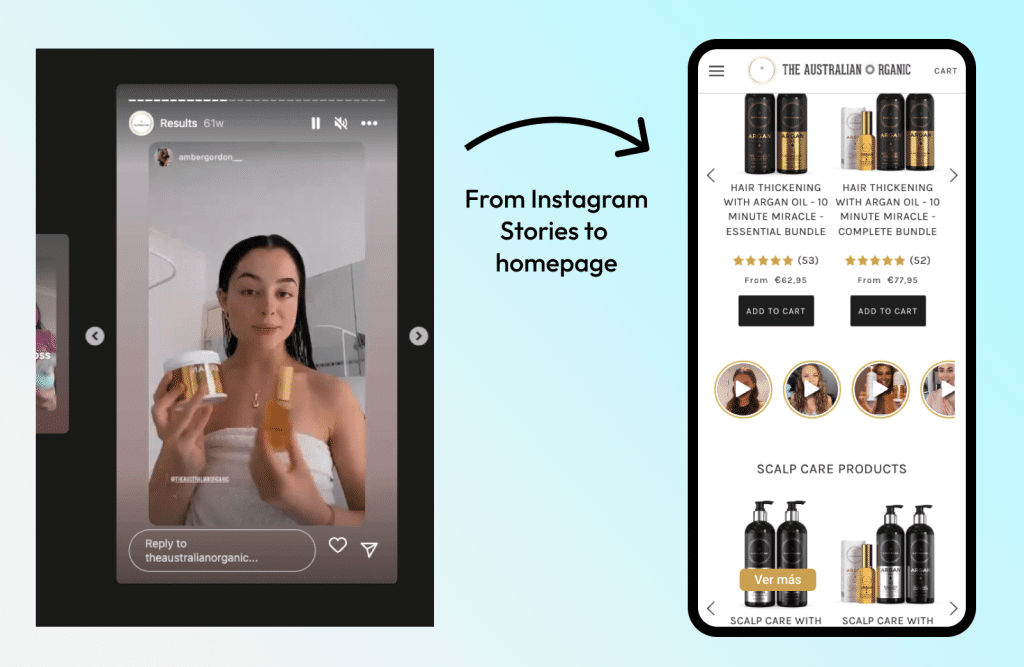

The 1:3 Emotion Rule: Why Every High-Converting UGC Video Balances Logic and Feeling
Introduction — The Secret Ratio Behind Every Winning UGC Ad
Scroll through high-performing UGC ads —
the ones that get low CPC, high ROAS, long retention, and fast conversions…
You’ll notice a pattern:
They don’t rely only on logic (features, benefits, usage).
They don’t rely only on emotion (stories, relatability, feelings).
They follow a hidden ratio:
1 part logic → 3 parts emotion
= The 1:3 Emotion Rule
This rule makes UGC content:
- relatable
- persuasive
- trustworthy
- emotionally sticky
- conversion-friendly
Most brands aggressively focus on the “1” (logic).
Creators who convert focus on the “3” (emotion).
And that is the real difference between UGC that hooks attention vs UGC that prints money.
This blog breaks down the psychology, neuroscience, and practical structure behind this rule — and how brands can use it to create UGC that converts at scale.
Why the 1:3 Emotion Rule Works (Psychological Foundation)
Every buying decision happens in two layers:
1. Emotional brain (limbic system)
Makes decisions.
2. Logical brain (prefrontal cortex)
Justifies the decision.
So the emotional brain decides:
“I want this.”
Then the logical brain says:
“Yes, this makes sense.”
UGC that uses only logic fails because feelings drive attention.
UGC that uses only emotion fails because people need justification.
The 1:3 Emotion Rule ensures:
- Emotion attracts
- Emotion connects
- Emotion convinces
- Logic reassures
- Logic closes the sale
This is why the ratio is 3 parts emotion, 1 part logic, not the other way around.
Part 1 — The “3 Parts Emotion”: The Core of High-Converting UGC
Emotion is what stops the scroll.
Emotion is what builds trust.
Emotion is what makes people buy.
Here are the three emotional pillars in any UGC that converts:
A) Emotional Hook (Feeling of “This Is About Me”)
Most brands use:
- “Introducing our new product…”
- “Here’s why this is great…”
- “Best product in the market…”
These fail instantly.
Emotional hooks win because they tap into the viewer’s pain.
Examples:
- “If you also wake up with dull skin, this is for you…”
- “Every girl with hairfall needs to see this…”
- “If your room smells bad no matter what, try this…”
- “I used to waste so much money on skincare…”
These hooks hit the consumer’s emotional wound, and psychology says:
We engage with content that reflects our own struggles.
Why it works:
✔ Triggers identity
✔ Creates instant relatability
✔ Feels personal
✔ Stops the scroll in < 1 second
B) Emotional Story (Turning Pain Into Transformation)
People don’t remember:
- Ingredients
- Claims
- Features
- Ads
People remember stories.
The emotional story is the heart of the UGC.
Examples:
- “I’ve been insecure about my acne marks for years…”
- “My hair used to fall every time I combed it…”
- “My baby wouldn’t sleep because of dry skin…”
- “My mornings were always chaotic because of slow routines…”
Then the transition:
- “But then I tried…”
- “I was shocked when…”
- “I didn’t expect this…”
- “Everything changed after…”
This form of emotional confession → transformation is irresistible.
Why it works:
✔ Activates empathy
✔ Builds trust
✔ Keeps attention
✔ Makes message memorable
C) Emotional Reaction (Authenticity That Cannot Be Faked)
People buy EMOTION, not information.
UGC creators who convert always show:
- Smiles
- Surprise
- Relief
- Shock
- Confidence
- Satisfaction
Example reactions:
- “OMG look at this!”
- “I didn’t expect such results…”
- “This feels so satisfying…”
- “This is such a relief…”
These micro-emotions are persuasive because they trigger mirror neurons —
the viewer FEELS the same emotion.
Why it works:
✔ Builds trust instantly
✔ Feels natural
✔ Creates impulse buying
✔ Shows authenticity
Part 2 — The “1 Part Logic”: The Key to Closing the Sale
Emotion wins hearts.
Logic wins wallets.
Consumers need justification so they don’t feel guilty.
This is where the “1 part logic” comes in.
This includes:
- Key benefits
- Usage instructions
- Functional demonstration
- Problem-solution clarity
- Before/after proof
- Ingredients/features
- Fast results
- Savings/value
Examples of logical inserts:
- “It contains 2% salicylic acid…”
- “Just apply it twice daily…”
- “This nozzle prevents leakage…”
- “Results in 14 days…”
- “Costs only ₹299…”
This small amount of logic turns emotion into purchasing confidence.
Why it works:
✔ Removes doubt
✔ Answers unspoken objections
✔ Reduces friction
✔ Makes the decision feel smart
Putting It Together: The 1:3 Emotion Rule Structure
Here is how high-converting UGC is structured:
Step 1 — Emotional Hook (Emotion)
“Girls with hairfall, watch this…”
Step 2 — Emotional Story (Emotion)
“My hair was falling like crazy after monsoon…”
Step 3 — Emotional Reaction (Emotion)
“I was shocked when I saw new baby hair growing!”
Step 4 — Logical Explanation (Logic)
“It has biotin + onion extract, and you only apply it twice a week.”
Step 5 — Emotional CTA (Emotion)
“Try it — it genuinely helped me.”
This ratio keeps the viewer:
- Hooked
- Engaged
- Connected
- Convinced
- Reassured
Without losing authenticity.
Why Brands Fail — They Reverse the Ratio
Most brands use:
3 parts logic → 1 part emotion
- “Our product has XYZ ingredients…”
- “Our new formula is clinically tested…”
- “Our texture is smooth and non-sticky…”
Then they add one emotional line:
- “You will love it!”
- “It’s great for all skin types!”
This is why:
- CPC goes up
- CTR goes down
- Watch time drops
- Ad fatigue increases
- ROAS dies
Because people don’t buy logic-first content.
Logic doesn’t stop the scroll.
Logic doesn’t create desire.
Logic doesn’t create trust.
Emotion does.
Why UGC Creators Naturally Follow the 1:3 Emotion Rule
UGC creators — especially relatable, micro-level ones — naturally:
✔ Add emotion
✔ Add vulnerability
✔ Add personality
✔ Add real reactions
✔ Add relatability
✔ Add storytelling
They don’t rely on:
- Scripts
- Brand language
- Corporate tone
- Technical explanations
UGC creators speak like humans — not brands.
This is why their content always performs better and outperforms studio ads.
Emotion is in their DNA.
Where to Use the 1:3 Emotion Rule in the Funnel
TOFU — Top of Funnel
Use heavy emotion:
- Hooks
- Problems
- Stories
- Reactions
Goal: ATTENTION
MOFU — Middle of Funnel
Balance emotion + logic:
- Demos
- Usage clarity
- Quick benefits
Goal: UNDERSTANDING
BOFU — Bottom of Funnel
Add strong logic + trust:
- Testimonials
- Results
- Value
- Proof
Goal: CONVERSION
The 1:3 rule adapts beautifully to every stage.
Real-World Example: Why Emotional UGC Ads Beat Studio Ads 10–0
Studio ad:
- Looks perfect
- Feels scripted
- Is too logical
- Lacks vulnerability
- Lacks relatability
UGC ad:
- Looks real
- Feels relatable
- Includes real story
- Shows real reaction
- Explains the product
- Ends with confidence
UGC = Emotion → Logic
Studio = Logic → Emotion
This is why UGC wins EVERY time.
Why the 1:3 Emotion Rule Reduces Ad Cost
Here’s the impact:
✔ Higher watch time → Lower CPM
✔ More engagement → Lower CPC
✔ Higher trust → Lower CAC
✔ Better storytelling → Higher ROAS
✔ Fresh emotions → Lower ad fatigue
Emotion literally reduces ad cost.
Smart CTA — Creator Navigator
Brands struggle to find creators who can:
- Tell emotional stories
- Use strong hooks
- Show natural reactions
- Balance logic without sounding scripted
- Create authentic, real-feeling UGC
- Follow psychological framing
This is where Creator Navigator helps:
✔ Find emotional storytellers
✔ Find demonstrators
✔ Find validators
✔ Build a strong creator pipeline
✔ Scale emotional UGC at a low cost
If emotion is the new conversion engine,
Creator Navigator is the engine that delivers emotion at scale.
Conclusion — Emotion Makes People Buy. Logic Makes People Feel Safe.
The 1:3 Emotion Rule is the foundation of UGC success.
Because:
- Emotion drives decisions
- Emotion drives attention
- Emotion drives trust
- Emotion drives memory
Logic is essential —
but only after emotion has opened the door.
The brands that master emotion will dominate the next era of D2C growth.
Because facts tell.
Emotion sells.
And UGC creators are emotional experts.Introduction — Why Most Brands Fail at UGC Scaling
Every D2C founder wants to scale.
But most brands fail because they make one major mistake:
They rely on only ONE type of UGC.
Some brands use only testimonials.
Some use only product demos.
Some use only problem-solution videos.
Some use only aesthetics and lifestyle.
But scaling requires UGC diversity, not UGC repetition.
Just like a performance marketer uses multiple audiences,
a profitable brand uses multiple types of creators and multiple content angles.
This is where The Creator Triangle comes in.
It is an advanced framework that reveals the three essential types of UGC a brand must use to scale profitably — without increasing ad spend, production cost, or CAC.
If a brand uses only one or two sides of the triangle, they get:
- High ad fatigue
- Poor ROAS
- Low trust
- Weak storytelling
- Slow scaling
- Expensive CPM
- Short creative life
But a brand using all THREE layers grows predictably and profitably.
Let’s break down the system.
What Is the Creator Triangle?
The Creator Triangle is a three-part UGC system consisting of:
1. The Demonstrator (Logic UGC)
Clear, rational, benefit-driven.
2. The Relator (Emotion UGC)
Relatable stories and human connection.
3. The Validator (Trust UGC)
Testimonials, proofs, and social proof.
These three creator types form a complete psychological funnel.
If your brand uses all three types consistently, you get:
✔ More trust
✔ More conversions
✔ More retention
✔ Higher ROAS
✔ Lower CAC
✔ Longer ad lifespan
✔ Faster creative testing
✔ Scaling without fatigue
Let’s break down each point of the triangle.
1. The Demonstrator — UGC That Explains the Product (Logic)
The demonstrator is the logic brain of UGC.
This creator:
- Demos the product
- Shows how it works
- Explains usage
- Shows texture
- Highlights features
- Shows real-time results
- Answers functional questions
Why this type matters
The human brain makes decisions in two layers:
- Emotion (What I feel)
- Logic (Does it make sense?)
If logic is missing, the buyer hesitates.
Demonstrator UGC removes hesitation by answering:
- How do I use it?
- Will it work for me?
- What problem does it solve?
- What is the benefit?
- What makes it unique?
Examples of Demonstrator Content
- “Here’s how I use this serum every morning”
- “Watch how this bottle works in real life”
- “I tried this gadget — here are the real results”
- “This hack saves me time every day”
- “Let me show you how this fits into my routine”
Why Demonstrators Reduce Ad Cost
Demonstrator videos:
✔ Improve clarity
✔ Improve comprehension
✔ Improve decision-making
✔ Improve CTR
✔ Improve add-to-carts
Because when people understand, they buy.
Demonstrators satisfy the logic part of the brain —
but that is only one part of the triangle.
You need more.
2. The Relator — UGC That Connects Emotionally (Feeling)
The Relator is the heart of the Creator Triangle.
This creator focuses on:
- Personal stories
- Real-life problems
- Emotional hooks
- Lifestyle relatability
- Day-in-the-life sequences
- Struggles → solutions
- Vulnerable storytelling
Why this type matters
Emotion drives attention.
Attention drives engagement.
Engagement drives conversion.
People buy because they FEEL something.
The Relator taps into:
- Pain
- Desire
- Insecurity
- Relief
- Identity
- Social belonging
- Personal experience
This content makes the viewer say:
“OMG, that’s me.”
“I have the same problem.”
“I feel exactly like this.”
Examples of Relator Content
- “I used to struggle with oily skin until…”
- “Here’s the most embarrassing thing that happened…”
- “If you also deal with hairfall, watch this…”
- “Let me tell you what changed my daily routine…”
- “I didn’t expect to feel so confident after using this”
Relators make people FEEL the transformation.
And people buy feelings — not features.
Why Relators Amplify ROAS
Relator content:
✔ Builds deep emotional resonance
✔ Stops scroll instantly
✔ Creates parasocial trust
✔ Reduces resistance
✔ Increases watch time
✔ Strengthens branding
This is why Relators are the conversion engine of UGC.
3. The Validator — UGC That Proves Everything (Trust)
The Validator is the trust builder of UGC.
This type focuses on:
- Testimonials
- Reviews
- Before/after proof
- Reaction videos
- Comparison videos
- “I tried this for 30 days” journeys
- Social proof
Why validators matter
Even if the consumer likes your product…
and understands it…
and feels emotionally connected…
They STILL doubt:
- “Will it work for me?”
- “Is this legit?”
- “Are there real results?”
- “Is this trustworthy?”
Validator UGC reduces doubt by supplying undeniable proof.
Examples of Validator Content
- “Here’s my before and after after 14 days”
- “This actually worked better than I expected”
- “I compared this with my old product”
- “My honest review — no filter”
- “My results shocked even me”
This proof makes the consumer feel safe.
Why Validators Reduce CAC
Validators:
✔ Build trust
✔ Eliminate doubt
✔ Reduce objections
✔ Strengthen credibility
✔ Increase purchase intent
Trust = conversion.
Conversion = lower CAC.
Lower CAC = profitable scaling.
How the Creator Triangle Works Together (The Full Psychology)
The Creator Triangle taps into the three major decision layers of the human brain:
1. Logic → Demonstrator
“How does this work?”
2. Emotion → Relator
“Does this connect to my life?”
3. Trust → Validator
“Can I believe this?”
If any one layer is missing, the consumer hesitates.
And hesitation kills conversions.
But when all three are present in your brand’s UGC ecosystem, the consumer gets:
✔ Clarity
✔ Emotional inspiration
✔ Proof
This is why:
The Creator Triangle = Complete Funnel Psychology
It maps perfectly:
TOFU (Top of Funnel)
Relators → emotional hooks + relatable problems
MOFU (Middle of Funnel)
Demonstrators → product clarity + benefits
BOFU (Bottom of Funnel)
Validators → proof + testimonials + trust
This is the perfect scaling system.
Why Most Brands Fail (They Only Use 1 Creator Type)
Brands often make the mistake of using ONLY:
❌ Testimonials → but no emotion or demonstration
❌ Product demos → but no story or trust
❌ Aesthetic reels → but no proof
❌ Lifestyle shots → but no logic
❌ Problem-solution videos → but no validation
Scaling stops because content lacks balance.
You need all THREE types consistently.
Why the Creator Triangle Reduces Ad Fatigue
Every side of the triangle has different:
- Tone
- Emotion
- Story
- Delivery
- Angles
- Visuals
This gives you endless creative variations, ensuring:
✔ The algorithm does not get bored
✔ Users do not get fatigued
✔ Ads stay fresh for weeks
✔ You can test more angles
✔ You can scale faster
✔ You reduce creative costs
Triangular content = infinite diversity.
How Brands Can Build Their Creator Triangle (Action Plan)
1. Hire at least 3–7 creators per month
Each creator fits into a triangle role.
2. Shoot:
- 3 demonstrator videos
- 3 relator videos
- 3 validator videos
Per creator.
3. Create a UGC library of:
- 9 emotional videos
- 9 product demos
- 9 testimonials
This gives your brand 27 creatives per month → perfect for scaling.
4. Test across:
- TOFU
- MOFU
- BOFU
And scale what performs.
5. Repeat with new creators monthly
Keep faces fresh.
Keep emotions fresh.
Keep trust fresh.
Smart CTA — Creator Navigator (Subtle & Natural)
Most brands struggle to find creators for all three sides of the triangle.
They either get:
- Too many demonstrators
- Too many testimonials
- Not enough emotional storytellers
- Or influencers pretending to be UGC creators
This is where Creator Navigator becomes powerful.
Creator Navigator helps brands find:
✔ Demonstrators (detail-oriented creators)
✔ Relators (emotional storytellers)
✔ Validators (proof-based creators)
So that a brand can build the complete Creator Triangle easily — without agency costs or heavy scouting.
Conclusion — UGC Scaling Needs Structure. The Creator Triangle Is That Structure.
UGC is not random.
UGC is not luck.
UGC is not aesthetic.
UGC is not “show the product.”
UGC is a psychological engine.
And that engine runs on 3 fuels:
Logic → Demonstrator
Emotion → Relator
Trust → Validator
When a brand uses all three consistently, scaling becomes predictable, profitable, and fast.
Because consumers don’t just want information.
They want:
- Understanding
- Connection
- Proof
The Creator Triangle delivers all three.
The brands that adopt this model will dominate the next era of D2C growth.
The brands that ignore it will keep burning ad budgets without understanding why.
Krishna, ready for the next blog?
Say: “Start Topic B” (The 1:3 Emotion Rule) or
“Suggest next topic” for more ideas.
You said:
go woth response 1
ChatGPT said:
Great, Krishna — going with Response 1 = Topic B
Here is your full, deep, 1500+ word advanced blog on:
The 1:3 Emotion Rule: Why Every High-Converting UGC Video Balances Logic and Feeling
The 1:3 Emotion Rule: Why Every High-Converting UGC Video Balances Logic and Feeling
Introduction — The Secret Ratio Behind Every Winning UGC Ad
Scroll through high-performing UGC ads —
the ones that get low CPC, high ROAS, long retention, and fast conversions…
You’ll notice a pattern:
They don’t rely only on logic (features, benefits, usage).
They don’t rely only on emotion (stories, relatability, feelings).
They follow a hidden ratio:
1 part logic → 3 parts emotion
= The 1:3 Emotion Rule
This rule makes UGC content:
- relatable
- persuasive
- trustworthy
- emotionally sticky
- conversion-friendly
Most brands aggressively focus on the “1” (logic).
Creators who convert focus on the “3” (emotion).
And that is the real difference between UGC that hooks attention vs UGC that prints money.
This blog breaks down the psychology, neuroscience, and practical structure behind this rule — and how brands can use it to create UGC that converts at scale.
Why the 1:3 Emotion Rule Works (Psychological Foundation)
Every buying decision happens in two layers:
1. Emotional brain (limbic system)
Makes decisions.
2. Logical brain (prefrontal cortex)
Justifies the decision.
So the emotional brain decides:
“I want this.”
Then the logical brain says:
“Yes, this makes sense.”
UGC that uses only logic fails because feelings drive attention.
UGC that uses only emotion fails because people need justification.
The 1:3 Emotion Rule ensures:
- Emotion attracts
- Emotion connects
- Emotion convinces
- Logic reassures
- Logic closes the sale
This is why the ratio is 3 parts emotion, 1 part logic, not the other way around.
Part 1 — The “3 Parts Emotion”: The Core of High-Converting UGC
Emotion is what stops the scroll.
Emotion is what builds trust.
Emotion is what makes people buy.
Here are the three emotional pillars in any UGC that converts:
A) Emotional Hook (Feeling of “This Is About Me”)
Most brands use:
- “Introducing our new product…”
- “Here’s why this is great…”
- “Best product in the market…”
These fail instantly.
Emotional hooks win because they tap into the viewer’s pain.
Examples:
- “If you also wake up with dull skin, this is for you…”
- “Every girl with hairfall needs to see this…”
- “If your room smells bad no matter what, try this…”
- “I used to waste so much money on skincare…”
These hooks hit the consumer’s emotional wound, and psychology says:
We engage with content that reflects our own struggles.
Why it works:
✔ Triggers identity
✔ Creates instant relatability
✔ Feels personal
✔ Stops the scroll in < 1 second
B) Emotional Story (Turning Pain Into Transformation)
People don’t remember:
- Ingredients
- Claims
- Features
- Ads
People remember stories.
The emotional story is the heart of the UGC.
Examples:
- “I’ve been insecure about my acne marks for years…”
- “My hair used to fall every time I combed it…”
- “My baby wouldn’t sleep because of dry skin…”
- “My mornings were always chaotic because of slow routines…”
Then the transition:
- “But then I tried…”
- “I was shocked when…”
- “I didn’t expect this…”
- “Everything changed after…”
This form of emotional confession → transformation is irresistible.
Why it works:
✔ Activates empathy
✔ Builds trust
✔ Keeps attention
✔ Makes message memorable
C) Emotional Reaction (Authenticity That Cannot Be Faked)
People buy EMOTION, not information.
UGC creators who convert always show:
- Smiles
- Surprise
- Relief
- Shock
- Confidence
- Satisfaction
Example reactions:
- “OMG look at this!”
- “I didn’t expect such results…”
- “This feels so satisfying…”
- “This is such a relief…”
These micro-emotions are persuasive because they trigger mirror neurons —
the viewer FEELS the same emotion.
Why it works:
✔ Builds trust instantly
✔ Feels natural
✔ Creates impulse buying
✔ Shows authenticity
Part 2 — The “1 Part Logic”: The Key to Closing the Sale
Emotion wins hearts.
Logic wins wallets.
Consumers need justification so they don’t feel guilty.
This is where the “1 part logic” comes in.
This includes:
- Key benefits
- Usage instructions
- Functional demonstration
- Problem-solution clarity
- Before/after proof
- Ingredients/features
- Fast results
- Savings/value
Examples of logical inserts:
- “It contains 2% salicylic acid…”
- “Just apply it twice daily…”
- “This nozzle prevents leakage…”
- “Results in 14 days…”
- “Costs only ₹299…”
This small amount of logic turns emotion into purchasing confidence.
Why it works:
✔ Removes doubt
✔ Answers unspoken objections
✔ Reduces friction
✔ Makes the decision feel smart
Putting It Together: The 1:3 Emotion Rule Structure
Here is how high-converting UGC is structured:
Step 1 — Emotional Hook (Emotion)
“Girls with hairfall, watch this…”
Step 2 — Emotional Story (Emotion)
“My hair was falling like crazy after monsoon…”
Step 3 — Emotional Reaction (Emotion)
“I was shocked when I saw new baby hair growing!”
Step 4 — Logical Explanation (Logic)
“It has biotin + onion extract, and you only apply it twice a week.”
Step 5 — Emotional CTA (Emotion)
“Try it — it genuinely helped me.”
This ratio keeps the viewer:
- Hooked
- Engaged
- Connected
- Convinced
- Reassured
Without losing authenticity.
Why Brands Fail — They Reverse the Ratio
Most brands use:
3 parts logic → 1 part emotion
- “Our product has XYZ ingredients…”
- “Our new formula is clinically tested…”
- “Our texture is smooth and non-sticky…”
Then they add one emotional line:
- “You will love it!”
- “It’s great for all skin types!”
This is why:
- CPC goes up
- CTR goes down
- Watch time drops
- Ad fatigue increases
- ROAS dies
Because people don’t buy logic-first content.
Logic doesn’t stop the scroll.
Logic doesn’t create desire.
Logic doesn’t create trust.
Emotion does.
Why UGC Creators Naturally Follow the 1:3 Emotion Rule
UGC creators — especially relatable, micro-level ones — naturally:
✔ Add emotion
✔ Add vulnerability
✔ Add personality
✔ Add real reactions
✔ Add relatability
✔ Add storytelling
They don’t rely on:
- Scripts
- Brand language
- Corporate tone
- Technical explanations
UGC creators speak like humans — not brands.
This is why their content always performs better and outperforms studio ads.
Emotion is in their DNA.
Where to Use the 1:3 Emotion Rule in the Funnel
TOFU — Top of Funnel
Use heavy emotion:
- Hooks
- Problems
- Stories
- Reactions
Goal: ATTENTION
MOFU — Middle of Funnel
Balance emotion + logic:
- Demos
- Usage clarity
- Quick benefits
Goal: UNDERSTANDING
BOFU — Bottom of Funnel
Add strong logic + trust:
- Testimonials
- Results
- Value
- Proof
Goal: CONVERSION
The 1:3 rule adapts beautifully to every stage.
Real-World Example: Why Emotional UGC Ads Beat Studio Ads 10–0
Studio ad:
- Looks perfect
- Feels scripted
- Is too logical
- Lacks vulnerability
- Lacks relatability
UGC ad:
- Looks real
- Feels relatable
- Includes real story
- Shows real reaction
- Explains the product
- Ends with confidence
UGC = Emotion → Logic
Studio = Logic → Emotion
This is why UGC wins EVERY time.
Why the 1:3 Emotion Rule Reduces Ad Cost
Here’s the impact:
✔ Higher watch time → Lower CPM
✔ More engagement → Lower CPC
✔ Higher trust → Lower CAC
✔ Better storytelling → Higher ROAS
✔ Fresh emotions → Lower ad fatigue
Emotion literally reduces ad cost.
Creator Navigator
Brands struggle to find creators who can:
- Tell emotional stories
- Use strong hooks
- Show natural reactions
- Balance logic without sounding scripted
- Create authentic, real-feeling UGC
- Follow psychological framing
This is where Creator Navigator helps:
✔ Find emotional storytellers
✔ Find demonstrators
✔ Find validators
✔ Build a strong creator pipeline
✔ Scale emotional UGC at a low cost
If emotion is the new conversion engine,
Creator Navigator is the engine that delivers emotion at scale.
Conclusion — Emotion Makes People Buy. Logic Makes People Feel Safe.
The 1:3 Emotion Rule is the foundation of UGC success.
Because:
- Emotion drives decisions
- Emotion drives attention
- Emotion drives trust
- Emotion drives memory
Logic is essential —
but only after emotion has opened the door.
The brands that master emotion will dominate the next era of D2C growth.
Because facts tell.
Emotion sells.
And UGC creators are emotional experts.