Why Consumers Trust Strangers More Than Brands: The Psychology Behind UGC
Introduction: The Trust Crisis Brands Don’t Want to Talk About
We are living in a rare moment in marketing history —
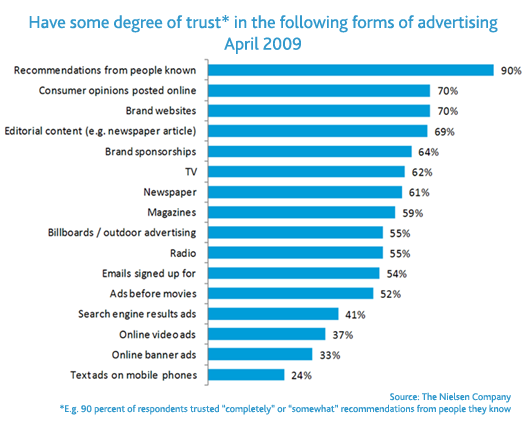
a time when people trust strangers on the internet more than the brands they buy from.
A random girl reviewing a skincare product on her phone will outperform a ₹10 lakh studio ad.
A low-light unboxing video gets more saves than a brand’s polished launch film.
An imperfect UGC video will deliver higher ROAS than a celebrity endorsement.
The psychology behind this shift is not accidental.
It is a fundamental rewiring of consumer behavior driven by:
- Social proof
- Cognitive biases
- Loss of trust in brand messaging
- Rise of authenticity demand
- Peer-to-peer influence
- Emotional relatability
This blog breaks down why consumers trust strangers, the psychology behind it, and what brands can do to survive this new mindset.
1. The Trust Gap: Why Brand Messaging No Longer Works
Consumers today are exposed to 7,000+ ads per day.
Their brains have built a natural defense mechanism:
“If a brand is advertising, it must be selling.”
And when the brain senses selling, it becomes resistant.
This is called Persuasion Resistance — a psychological phenomenon where people automatically distrust promotional messages.
Brands = Biased
People assume:
- Brands exaggerate
- Brands hide flaws
- Brands only show the good
- Brands script everything
- Brands have a financial motive
Strangers = Unbiased
They feel:
- Honest
- Real
- Unfiltered
- Relatable
- Not controlled by the brand
- Speaking from personal experience
Humans are wired to trust peers, not power structures.
This is why strangers win without trying.
2. Social Proof Theory: Humans Copy Humans
One of the strongest behavioral laws:
People do what other people do.
When a stranger says,
“This facewash actually worked for me,”
the brain registers it as evidence.
This is called Social Proof — the principle that people assume a product is good if someone like them endorses it.
Types of social proof that strangers create:
- Authentic reactions
- Honest opinions
- Real “This is what I feel” reviews
- Personal stories
- Everyday context
Studio ads cannot replicate this emotion.
3. The Mirror Neuron Effect: Relatability Beats Perfection
The brain contains mirror neurons, which activate when we watch someone perform an action.
Meaning:
When a creator washes their face, unboxes a product, or tries a gadget, the viewer’s brain feels like they are trying it.
This creates:
- Emotional connection
- Product ownership feeling
- Instant trust
- Higher purchase intent
Brands cannot activate mirror neurons through scripted videos —
but UGC does it instantly.
4. Authenticity Bias: The Brain Prefers Imperfections
Here’s the psychology:
Perfect = Fake
Imperfect = Real
When a UGC creator:
- Stumbles while talking
- Shoots in natural light
- Shows real skin texture
- Reacts genuinely
- Makes small mistakes
…the brain interprets it as authenticity.
Meanwhile:
Studio content looks airbrushed.
Actors look too perfect.
The lighting looks unreal.
This triggers doubt, not trust.
UGC wins by breaking the illusion.
5. Peer Similarity Effect: We Trust People Who Look Like Us
When a viewer sees someone:
- Of similar age
- Similar background
- Similar lifestyle
- Similar problems
- Similar personality
…they automatically trust them more.
This is called the Similarity Principle in psychology.
A stranger who “feels like me” is more believable than a brand spokesperson who feels nothing like me.
This is why UGC works across:
- Moms trusting other moms
- Gen Z trusting Gen Z creators
- Beauty consumers trusting real-skin testers
- Fitness buyers trusting real transformations
Brands cannot replicate peer influence with actors.
6. Emotional Proximity: Strangers Feel More Personal Than Brands
A brand talks at you.
A creator talks to you.
This creates emotional proximity — a closeness that occurs when someone speaks in:
- Their bedroom
- Their kitchen
- Their car
- Their bathroom
- Their real environment
This intimacy makes the viewer feel like:
“This is someone I could know.”
Once emotional proximity is formed, selling becomes effortless.
7. Information Gap Theory: Strangers Are Perceived as More Honest
People believe strangers share:
- Real experiences
- Real problems
- Real results
- Real opinions
- Real struggles
Brands, on the other hand, filter information.
The brain assumes:
- “Brand is hiding something.”
- “Brand is exaggerating claims.”
- “Brand wants to sell, not help.”
Strangers fill the information gap by giving unfiltered reality.
This is the strongest form of trust.
8. Cognitive Ease: UGC Is Easier for the Brain to Process
The brain loves:
- Simple images
- Natural lighting
- Human faces
- Quick emotions
- Rough authenticity
Studio content overwhelms.
UGC feels like a natural part of the feed.
When content is easy to process, it is easier to believe.
9. The Parasocial Relationship: Viewers Feel Connected to Creators
Parasocial relationships are one-sided emotional bonds.
People feel they “know” creators even if they’ve never met them.
This leads to:
- Higher trust
- Higher influence
- Higher loyalty
- Higher conversion
Brands can’t create parasocial relationships.
Creators can — effortlessly.
10. The Rise of Community-Driven Commerce
Consumers no longer buy from brands.
They buy based on:
- Comments
- Reviews
- UGC
- Testimonials
- “People like me” using the product
The modern consumer journey looks like:
- See a product
- Search for UGC
- Check comments
- Watch real use cases
- Look for honest reviews
- Decide if the experience matches their life
- THEN buy
This is why UGC is not optional —
it is the decision driver.
11. Why Brands Cannot Fake This Trust (Even If They Try)
Brands have tried:
- Casting “relatable” actors
- Shooting “UGC-style ads”
- Using “authentic” backdrops
- Hiring expensive influencers
- Writing “real” scripts
But the brain cannot be fooled.
Viewers instantly detect:
- Selling voice
- Over-polished edits
- Forced expressions
- Scripted lines
- Overproduction
UGC creators hold a unique psychological advantage:
They are real.
Brands aren’t.
12. The Smart Brand Strategy: Build Trust Through Strangers
Brands today must use Creator-Led Marketing, not brand-led messaging.
Here’s what works:
✔ Real customers sharing experiences
✔ Micro-creators demonstrating products
✔ Honest reactions
✔ Day-in-the-life content
✔ Problem-solution videos
✔ Real skin, real homes, real emotions
Not “ads.”
But real content from real people.
This content not only builds trust — it reduces cost dramatically.
13. Why UGC Converts Better Than Influencers
Influencers today are seen as:
- Paid
- Scripted
- Commercial
- Brand-led
UGC creators are seen as:
- Honest
- Raw
- Unfiltered
- Unpaid-looking
- Real
Consumers trust UGC creators 3x more than influencers.
This is why brands are shifting budgets away from influencers and into UGC creator pipelines.
14. The Hidden Reason: People Trust People Who Have Nothing to Lose
Brand posts = they want to sell.
Influencers = they want sponsorships.
UGC creators =
They have nothing at stake.
Their content feels:
- Unpaid
- Neutral
- Opinion-based
- Experience-based
And that’s exactly why people trust them.
15. The Future of Marketing: Creator Navigator Ecosystem
To survive the trust economy, brands must work with real people at scale.
Instead of paying lakhs for influencers or building internal content teams, brands can simply use:
👉 Creator Navigator
A platform that helps brands find:
- Authentic UGC creators
- Real storytellers
- Trust-building faces
- Affordable creators
- High-performing ad-ready creators
It helps brands build trust by tapping into the psychology of strangers.
Because the future belongs to brands backed by real people — not big studios.
Conclusion: Strangers Are the New Brand Ambassadors
Humans evolved to trust:
- Faces
- Emotions
- Stories
- People like them
Not logos.
Not slogans.
Not perfect ads.
UGC wins because it mirrors human behavior, not brand intention.
Consumers trust strangers more than brands because strangers feel:
- Honest
- Relatable
- Unfiltered
- Similar
- Human
UGC isn’t just content —
it is trust in its purest form.
Brands that understand this psychology will dominate.
Brands that ignore it will pay 3x more for 10x fewer results.